
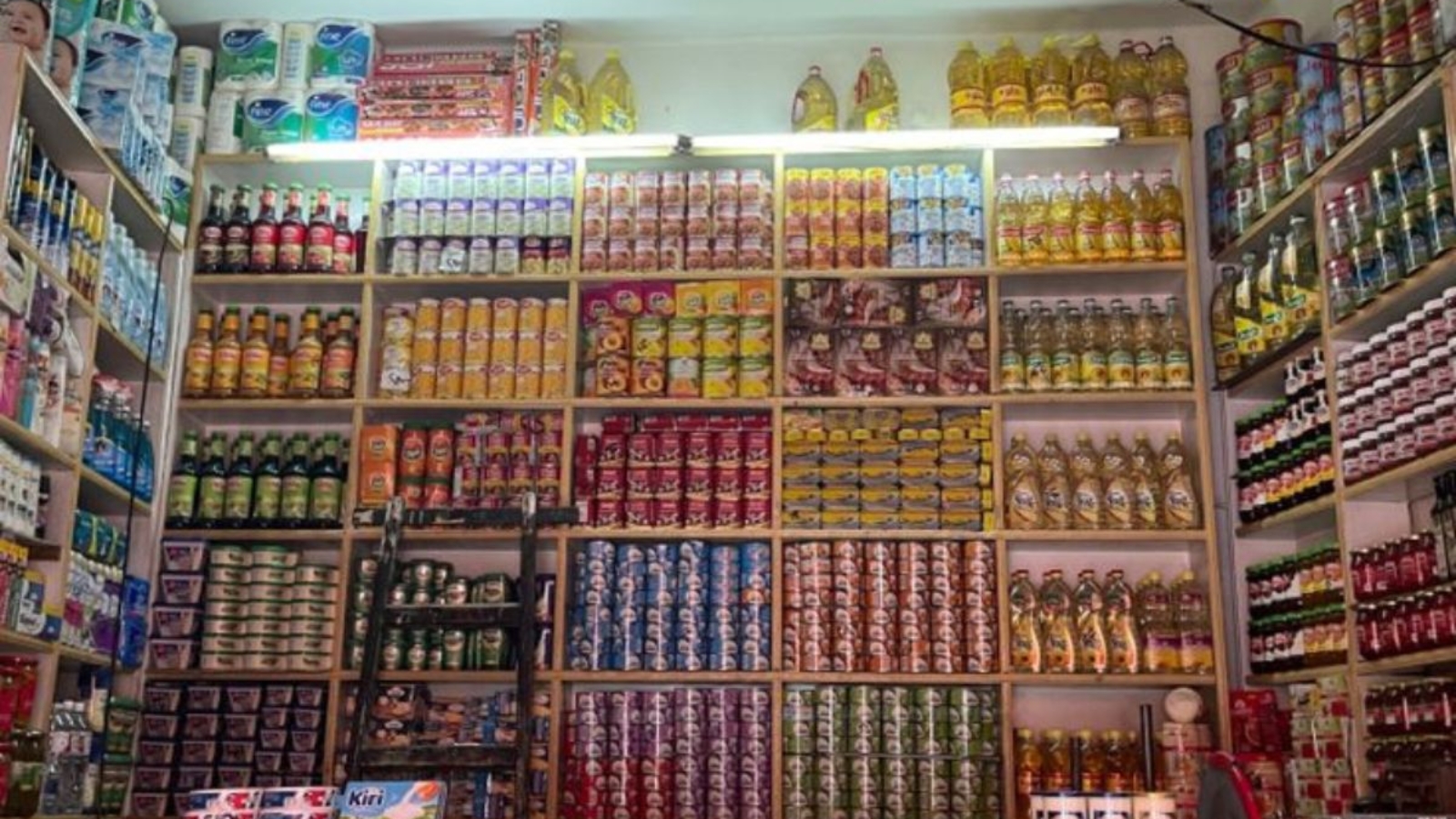
Small and medium-sized enterprises (SMEs) play a vital role in driving economic growth, job creation, and innovation across Benin. However, many SMEs struggle to scale due to limited access to reliable suppliers, inconsistent product availability, logistics challenges, and fragmented distribution channels. To remain competitive and unlock new growth opportunities, SMEs must adopt structured import strategies and build strong supply chain partnerships.
This is where companies like Group Intersarl provide a significant advantage by helping businesses diversify product offerings, expand geographically, and strengthen market presence through organized import solutions and distribution support.
The Growth Challenge Facing SMEs
Many SMEs reach a plateau when relying solely on local sourcing or informal import processes. Common growth barriers include:
- Limited access to verified international manufacturers
- High shipping and customs uncertainty
- Stock shortages affecting customer trust
- Inability to scale distribution beyond immediate locations
- Cash flow pressure from inefficient procurement cycles
Without structured supply chain support, expansion becomes risky, slow, and expensive.
Diversifying Product Offerings Through Structured Imports
One of the fastest ways SMEs can grow is by expanding their product portfolio. Offering a wider range of goods helps businesses:
- Attract new customer segments
- Increase average order value
- Reduce dependency on a single product category
- Stay competitive against larger distributors
Structured import partnerships simplify this process by providing access to vetted global suppliers, negotiated pricing advantages, and coordinated shipping schedules. Instead of navigating complex procurement independently, SMEs can focus on sales, branding, and customer relationships while logistics professionals handle sourcing and shipment coordination.
This approach reduces uncertainty and enables businesses to introduce new products confidently and consistently.
Expanding Into New Regions With Reliable Distribution
Growth is not only about selling more products — it is also about reaching new markets. Many SMEs struggle to expand beyond their immediate city due to transportation costs, inventory management challenges, and lack of regional market connections.
A structured distribution network helps overcome these limitations by enabling:
- Faster delivery to retailers and wholesalers
- Improved product availability across multiple regions
- Reduced logistics stress for business owners
- Better demand forecasting and inventory planning
With organized warehousing and coordinated last-mile delivery, SMEs can scale operations without losing efficiency or service quality.
Strengthening Supply Chain Stability
Supply chain disruptions can severely impact SME growth. Delayed shipments, inconsistent supplier communication, and regulatory compliance issues often lead to lost revenue and customer dissatisfaction.
Structured import partnerships provide stability through:
- Supplier verification and quality assurance
- Regulatory and customs guidance
- Consolidated shipping to reduce costs
- Inventory visibility and tracking
- Risk mitigation through professional logistics management
This stability allows SMEs to plan growth strategies confidently rather than reacting to unpredictable supply interruptions.
Improving Competitive Positioning
When SMEs gain access to reliable sourcing and efficient distribution, they can compete more effectively with larger importers. Benefits include:
- Better pricing through bulk procurement
- Consistent stock availability
- Faster response to market demand trends
- Stronger relationships with retailers and distributors
- Increased brand credibility
Customers and retailers prefer suppliers who deliver consistently. A structured import model helps SMEs build that reputation while scaling sustainably.
Unlocking Long-Term Business Growth
SME expansion is most successful when supported by long-term partnerships rather than one-time transactions. Structured import and distribution support enables businesses to move from survival-focused operations to growth-focused strategies.
Key long-term advantages include:
- Predictable procurement cycles
- Scalable logistics infrastructure
- Access to broader supplier ecosystems
- Regional market penetration
- Reduced operational risk
As SMEs grow, these advantages compound, creating stronger financial performance and greater resilience against market fluctuations.
Conclusion
SMEs in Benin have enormous growth potential, but scaling requires more than ambition — it requires structured systems, reliable supplier access, and efficient distribution networks. By leveraging organized import partnerships and professional supply chain support, businesses can diversify product offerings, expand into new regions, and build sustainable competitive advantages.
With the right import and distribution partner, SMEs can shift from reactive operations to strategic growth, unlocking new revenue streams and positioning themselves as trusted suppliers across regional markets.
Just tell me 👍
Add a Comment